
Winter 2026 News
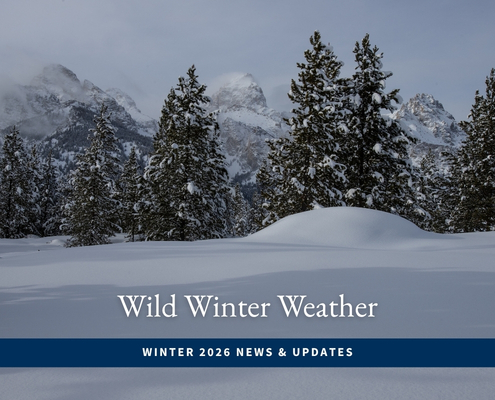
Wild Winter Weather
“Whether the weather be fine, or whether the weather be not,
Whether the weather be cold, or whether the weather be hot,
We’ll weather the weather, whatever the weather,
Whether we like it or not.” Author Unknown
- The East Coast had bomb cyclones, the West Coast Atmospheric Rivers
- Snow and ice in the Carolinas and Georgia
- One day it was warmer in Anchorage than Miami
- The Rocky Mountain ski areas prayed for just enough snow, just in time to stay running
- Wyoming had its warmest winter in recorded history, even warmer than the Great Depression, Dust Bowl days in the 1930’s
The good news – it is only about 3 weeks to the first day of spring 3/20/26. And we have sure experienced tougher winters on the Northern Plains of Wyoming and Montana. That’s the history theme of this newsletter: Wild Winter Weather!

Montana | Winter of 1886–87 | “The Great Die-Up”
That’s what it was called…by Spring 1887 there were few cattle alive to Round Up. It’s estimated that more than 90% of the cattle herds starved or froze to death. That ended grazing on the open range. Fences and haystacks followed, to protect ranchers and their herds against such a devastating winter.
A little known fact, that winter the great western artist Charlie Russell got his amazing career started. He was 22 and working as a Cowboy on a big spread, the OH Ranch on the Judith River, near what became the town of Utica, Montana. Russell told this story: he was bunking with the ranch manager who opened a letter from the wealthy ranch owner who lived in Helena. The owner wanted to know if the cattle were making it through the winter. The cowboy didn’t know what to write to describe the disaster.
So, Charlie did a water color painting which got titled “Waiting for a Chinook” ~ the warmer winds of Spring that come off the East slopes of the Rocky Mountains. The water color, also called the Last of 5,000, mailed to the ranch owner, shows a starved, frozen critter about to tip over as wolves wait nearby. Due to national news coverage of the devastating “Great Die Up” – the image was published in the Helena newspaper and captured national attention — launching the career of a 22-year-old cowboy who would become Charles M. Russell. Charlie went on to international fame as a Western Artist, with more than 2,000 paintings, meticulously depicting the rawhide grit of the American cowboy, the culture of the Northern Plains and Rocky Mountain Indian Tribes and the alluring beauty of The West.
Wyoming 1889/90 ~ The Equalizer Winter
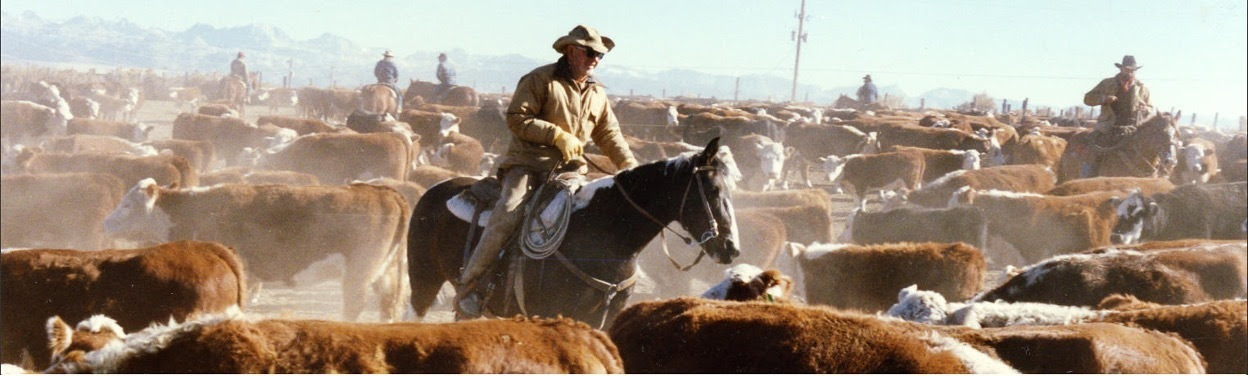
That’s what the homestead ranchers in the Upper Green River of western Wyoming called it…As ranchers later said, “In death, everyone was equal.” Death came to 90% of their herds that winter when rain, sleet and snow formed a sheet of ice over the range.
In March a brutal blizzard that lasted several days devastated the livestock and wildlife. One homestead rancher said you could almost walk on dead cattle from Big Piney to Opal after the 1889/90 winter. The range smelled so bad for several years you could hardly ride out there. The cattle would drift with the storm and die in piles in the draws. The lane between Big Piney and Marbleton was so full of dead cows a person could hardly ride a horse through it.
That winter ended the open range in Wyoming just like Montana 2 winters earlier. Fences and haystacks became insurance against winter destruction. To get the cattle off the hay meadows in the summer, the ranchers started driving their cattle to the forests in the high country and let them Drift back home with the snow.
That was the beginning of the Green River Drift, a 60 mile, 136 year-old active cattle trail. It was officially designated as a Traditional Cultural Property (TCP) on the National Register of Historic Places in 2013. It is the first ranching-related TCP in the U.S. and represents the longest-running, continuously used cattle drive in the United States.

Winters shaped the West. They ended the open range. They changed how ranchers worked the land.
Today, the great ranches that survived those eras represent something rare — resilience, water security, and generational stewardship.
Winter passes. Legacy remains.
Here are two remarkable properties that carry that legacy forward..

